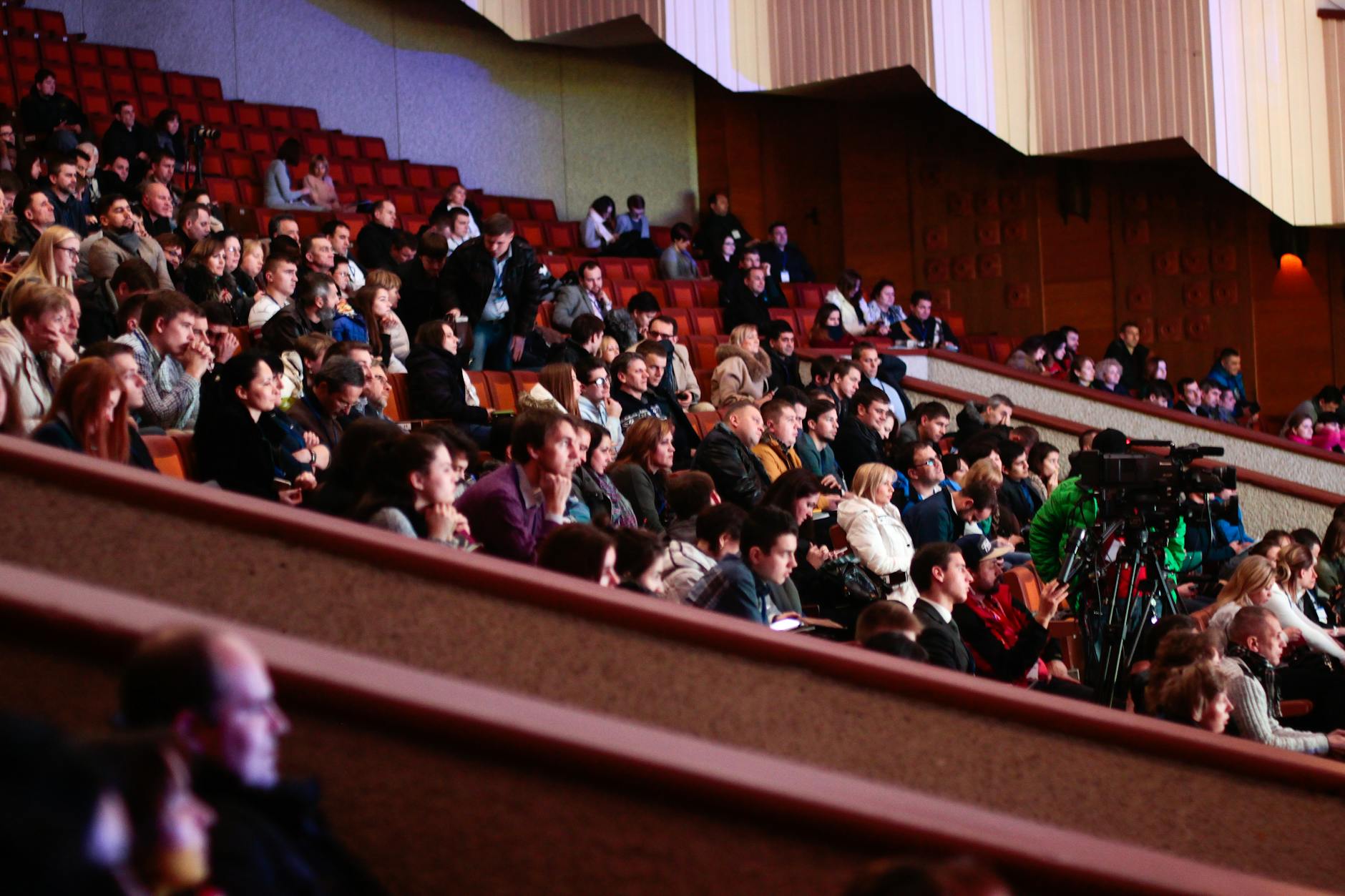
If you work in manufacturing systems, industrial engineering, or a related field, you have probably come across the MSIE conference circuit at some point. These events, which cover topics ranging from supply chain optimisation and production planning to human factors and quality management, attract a fairly specific crowd: people who care deeply about how systems work and how to make them work better. That makes for unusually rich conversations, if you know how to position yourself for them.
Attending an MSIE conference for the first time can feel a little overwhelming. The programmes are dense, the sessions run in parallel, and everyone seems to already know each other. But regular attendees will tell you the same thing: the learning curve is short, and the return on investment, professionally and intellectually, tends to be significant.
Before You Arrive: Do the Groundwork
Most people show up to conferences having done very little preparation beyond booking their travel. That is a missed opportunity. MSIE conferences typically publish their full programme, including abstracts, a week or two before the event. Take time to read through the session tracks that align with your current work or research. Identify three or four sessions that are genuinely relevant, then build your schedule around those rather than wandering between rooms hoping something catches your eye.
It is also worth looking at the list of accepted papers in advance. If someone is presenting work that connects directly to a problem you are trying to solve, reach out before the event. A short, specific message on LinkedIn or via institutional email goes a long way. Something like: "I saw you are presenting on dynamic scheduling under uncertainty at MSIE this year. I am working on a related problem in automotive manufacturing and would love to compare notes if you have a few minutes." Most researchers appreciate that kind of direct interest.
Check whether the conference has a companion app. Many MSIE events now use platforms like Whova or Eventpilot, which allow you to build a personal schedule, message other attendees, and get real-time updates on room changes or session additions.
Making the Most of Sessions and Presentations
The temptation at any conference is to treat sessions as passive experiences. You sit, you listen, you move on. But MSIE presentations, particularly those in research-focused tracks, are usually richer than a quick read of the abstract suggests. Presenters are often working through problems in real time, and the Q&A is where the most interesting material surfaces.
Ask questions. Obvious advice, perhaps, but a lot of attendees hold back, particularly if they are early-career researchers or practitioners without an academic affiliation. A good question does not need to be a challenge. Sometimes the most productive thing you can say is: "Have you looked at how this approach holds up in high-mix, low-volume environments?" That opens a conversation rather than putting someone on the spot.
Take selective notes rather than trying to capture everything. Focus on methodologies, tools, or data sources that you have not encountered before. Names of software packages, simulation environments like AnyLogic or Arena, datasets, or even specific journals worth following. These are the kinds of specifics that get lost if you are not deliberate about recording them.
Poster Sessions Deserve More Attention Than They Get
Poster sessions are consistently underused by attendees, which is a shame because they offer something keynotes and paper presentations cannot: extended, one-to-one access to the researcher. Walk through slowly, ask about methodology, ask about what surprised them in their results. The conversations tend to be more candid and less polished than formal presentations, which is often where you learn the most.
Networking Without It Feeling Transactional
Networking at an engineering or industrial systems conference is slightly different from networking at a business or management event. The culture leans more introverted, and direct value exchange tends to matter more than general relationship building. That is not a criticism, it is just useful to know going in.
The most natural networking happens around shared technical problems. Coffee breaks and lunches are good, but the conversations that tend to stick are the ones that start because two people were both interested in the same session, or because one person asked a question the other had been thinking about all morning. Follow that thread when it appears.
If you are a student or early-career attendee, consider volunteering. Most MSIE conferences rely on volunteers for registration desks, session facilitation, and logistics. Beyond the practical benefits, such as reduced fees, it puts you in contact with organisers and senior researchers in a context that feels natural rather than forced.
After the conference, follow up within a week while the conversations are still fresh. A short message referencing something specific you discussed is far more effective than a generic connection request. If someone mentioned they were looking for a particular dataset or tool, and you happen to know where to find it, send it along. That is the kind of follow-through that actually builds lasting professional relationships.
Bringing Something Back
Attending an MSIE conference without a plan for what to do with what you have learned is a common mistake. Before you travel home, spend twenty minutes writing down the three most useful things you encountered, whether that is a methodology worth exploring further, a researcher whose work you want to follow, or a tool you plan to test. Share that with your team or supervisor when you return. It reinforces your own learning, and it positions the conference as a worthwhile investment rather than a trip that disappears into the calendar.