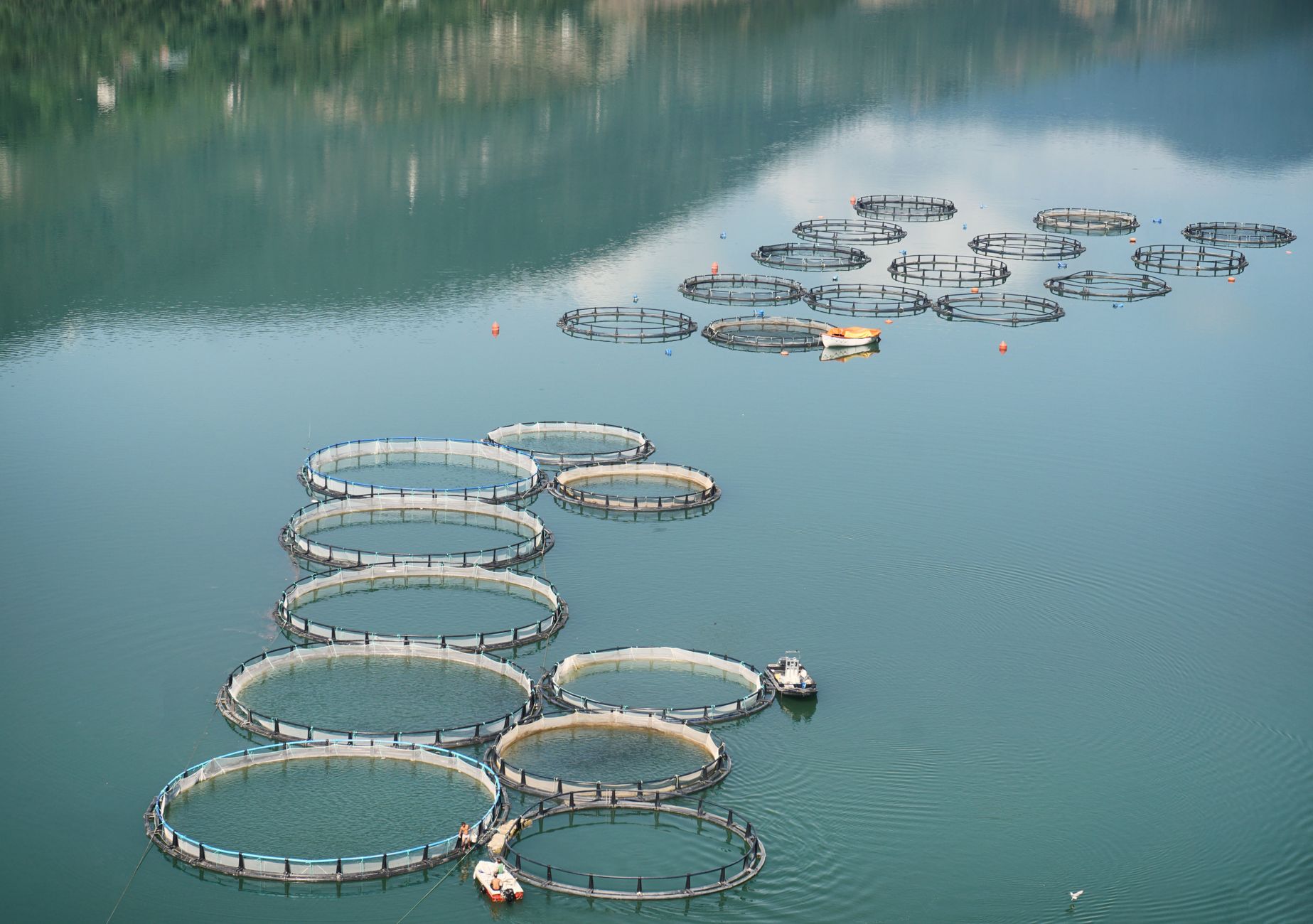
The global aquaculture sector is under more scrutiny than ever. With wild fish stocks under pressure and demand for protein continuing to rise, the industry faces a convergence of scientific, regulatory, and commercial challenges that make face-to-face knowledge exchange more valuable than it has been in years. The 2026 conference season reflects that urgency, with a packed calendar of events spanning recirculating aquaculture systems (RAS), marine finfish, shellfish, seaweed cultivation, and aquatic animal health.
Major International Aquaculture Conferences in 2026
The biggest name on the annual calendar remains Aquaculture America, organised by the World Aquaculture Society (WAS). Typically held in late winter, the 2026 edition is expected to follow its established format of combining a large trade exposition with a peer-reviewed scientific programme. Past editions have drawn more than 3,000 attendees from across government agencies, universities, and private producers. Check the WAS website at was.org for confirmed dates and the call for abstracts, which generally opens six to nine months before the event.
World Aquaculture 2026, the society's flagship international conference held outside North America in alternating years, is another event that researchers and senior industry figures plan around well in advance. These gatherings rotate between regions, so the host city for 2026 is worth confirming directly with WAS as early as possible, particularly if international travel budgets need to be allocated.
In Europe, Aquaculture Europe, run by the European Aquaculture Society (EAS), is the continent's most attended event for the sector. The EAS conference consistently attracts strong representation from Norway, Scotland, Spain, Greece, and the Netherlands, reflecting where the heaviest production volumes sit. Sessions routinely cover selective breeding, feed innovation, welfare standards, and the regulatory environment shaped by EU policy. Details for the 2026 programme are published at aquaculture.cc.
Specialist and Regional Events Worth Watching
Beyond the flagship gatherings, a number of focused conferences address specific sub-sectors where research is moving fast.
- RAS conferences: Recirculating aquaculture systems continue to attract intense commercial investment. Events such as the RAS Conference Europe and various North American equivalents bring together engineers, biologists, and investors working on land-based salmon, trout, and shrimp production. The technology is still maturing, and these forums are where early-adopter knowledge is shared most openly.
- Shrimp and crustacean events: Asia and Latin America host several dedicated shrimp aquaculture conferences annually. Given that shrimp remains the highest-value farmed species by global trade, disease management sessions, particularly around white spot syndrome virus and early mortality syndrome, draw significant attendance from veterinarians and biosecurity specialists.
- Seaweed and shellfish symposia: Macro-algae cultivation is a growth area, driven partly by interest in carbon sequestration and bioplastics as well as food and feed applications. Expect dedicated sessions at broader conferences and some standalone events targeting this niche in 2026.
Academic institutions also run targeted workshops. The European Inland Fisheries and Aquaculture Advisory Commission (EIFAAC) and similar bodies convene periodic technical symposia that, while smaller in scale, often produce influential working papers that shape policy. Graduate students and early-career researchers frequently find these more accessible than the large commercial expos.
How to Get the Most Out of an Aquaculture Conference
Preparation makes a measurable difference to the return on the time and money spent attending. A few practical steps are worth taking before you book.
- Review the call for abstracts early. Most aquaculture conferences accept both oral and poster presentations, and submitting your own research is one of the fastest ways to build a professional profile in a relatively compact global community. Deadlines are typically four to six months ahead of the event.
- Use the exhibitor and sponsor list strategically. Major feed companies, equipment suppliers, genetic selection firms, and diagnostic laboratories all exhibit at flagship events. Mapping out which suppliers or potential partners you want to visit before you arrive saves considerable time on the floor.
- Attend social and networking sessions deliberately. Aquaculture is a sector where personal relationships carry significant commercial weight. The informal dinner, the association members' meeting, or the early-morning workshop are often where substantive conversations actually happen.
- Follow post-conference proceedings. WAS and EAS both publish proceedings and, in some cases, partner with journals such as Aquaculture or Reviews in Aquaculture to make peer-reviewed versions of conference papers accessible. These are worth tracking after the event closes.
For those who cannot attend in person, hybrid access is increasingly available. Several 2024 and 2025 events offered recorded sessions and virtual poster halls through platforms such as Hopin or bespoke event apps, and this provision is likely to continue in 2026.
Staying Up to Date as the 2026 Calendar Firms Up
Conference dates, venues, and registration windows for 2026 are still being confirmed across the sector at the time of writing. The most reliable approach is to bookmark the WAS and EAS websites directly, subscribe to their newsletters, and check the EventCentral.me aquaculture category, where confirmed events are listed as soon as details become available.
Industry publications such as Fish Farmer Magazine, Hatchery International, and The Fish Site also maintain event calendars and are useful secondary sources. LinkedIn groups focused on aquaculture science and production regularly share early announcements from organisers before formal registration opens.
The 2026 calendar is shaping up to offer strong coverage of the issues that matter most to the sector right now: sustainable feed ingredients, disease resilience, RAS economics, and the regulatory frameworks governing expansion in coastal and offshore environments. For professionals and researchers working anywhere along that chain, the events are worth planning around now.